What is Cyberbalkanisation?
Joe Parish – 28/08/2023
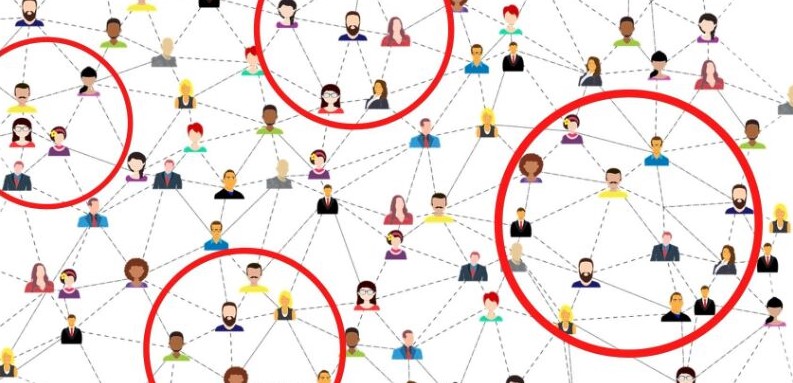
Cyberbalkanization refers to the fragmentation of online communities into isolated groups that reinforce their existing beliefs, limiting exposure to opposing viewpoints. This phenomenon is increasingly relevant in today’s digitally interconnected yet ideologically siloed world.
As part of my Master’s Dissertation, I’ve been conducting interviews on individuals’ social media news consumption habits to explore this issue. My aim is to uncover potential problems with coverage on these platforms and gain deeper insight into audience experiences. The findings reveal a concerning trend: an overwhelming potential for Cyberbalkanization.
But what exactly does this term mean, and how can you mitigate its effects?
Origins and Definition
I first encountered Cyberbalkanization through Cass Sunstein’s seminal work. In their 2008 writing, Sunstein described it as the tendency for individuals online to form communities that reflect and reinforce their own perspectives, creating echo chambers. The result? Limited exposure to diverse or opposing ideas. This phenomenon is also referred to as the “Splinternet,” highlighting the splintering of the online world into ideologically homogenous spaces.

Several factors amplify Cyberbalkanization:
Algorithms and Filter Bubbles: Social media platforms use algorithms to curate content tailored to user preferences. While convenient, this personalization often filters out dissenting viewpoints, reinforcing existing biases.
Confirmation Bias: Many individuals naturally gravitate towards information that supports their beliefs, avoiding content that challenges them.
Cultural and Political Polarization: Broader societal divides exacerbate online fragmentation, as users align themselves with communities that reflect their worldview.
Ease of Selective Engagement: Unlike traditional media, where diverse perspectives are often presented, social media allows users to choose their information sources, often favoring ones that align with their ideology.
Why It Matters
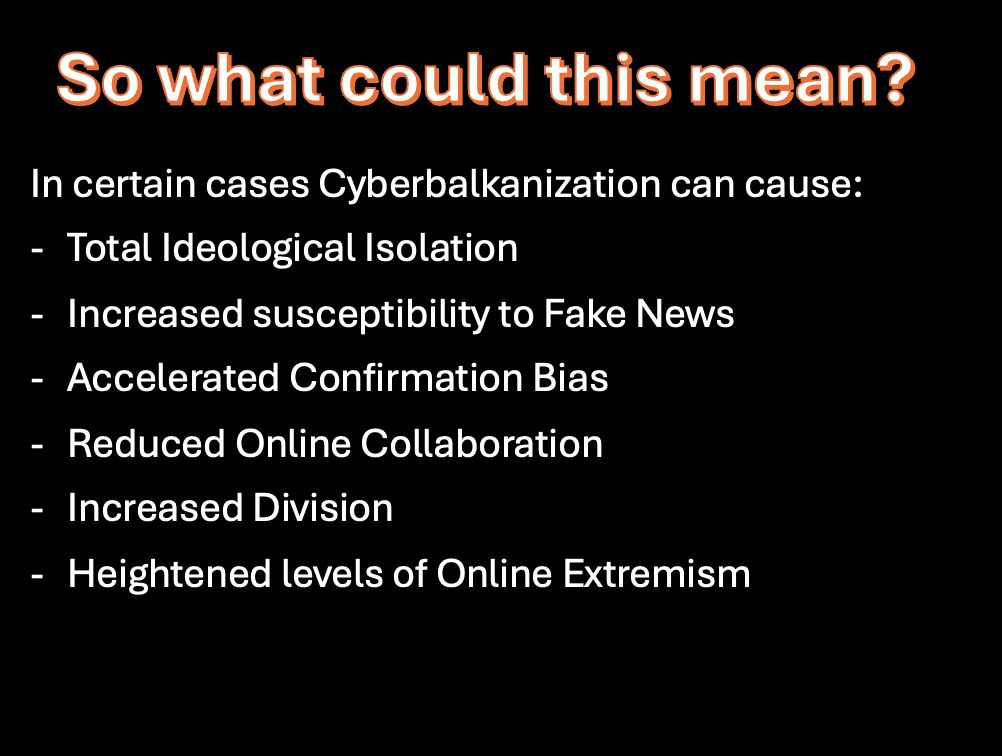
The consequences of Cyberbalkanization extend beyond individual knowledge gaps:
Polarization: It can deepen societal divides, fostering hostility between opposing groups.
Misinformation: Isolated communities are more vulnerable to misinformation and conspiracy theories.
Erosion of Public Discourse: Healthy debate and mutual understanding diminish when people are confined to echo chambers.
So, how can we address this issue? Here are some actionable steps:
Awareness: Recognizing the issue is the first step. Reflect on your own social media habits: How often do you encounter opposing viewpoints? Are you engaging with diverse sources of information?
Diversify Your Feed: Follow accounts and pages that represent a variety of perspectives, even those you disagree with. This practice broadens your understanding of complex issues and challenges your biases.
Critical Consumption: Approach content with a critical mindset. Ask questions about the source, intent, and reliability of the information you consume.
Engage in Constructive Dialogue: Actively seek conversations with individuals holding different opinions. Civil discourse can help bridge divides and foster mutual understanding.
Use Technology Mindfully: Consider tools or browser extensions that help counteract algorithmic bias by diversifying the content you see.
Advocate for Platform Accountability: Push for transparency in how social media algorithms operate and encourage platforms to promote balanced representation of views.
Moving Forward
Cyberbalkanization is a complex and multifaceted issue, but it is not insurmountable. By consciously seeking diverse perspectives, critically evaluating content, and engaging in meaningful dialogue, individuals can play an active role in countering the isolating effects of online echo chambers. For platforms, the responsibility lies in fostering an environment that encourages the exchange of ideas rather than entrenching divisions.
As the digital landscape continues to evolve, understanding and addressing Cyberbalkanization will be critical to maintaining informed, empathetic, and cohesive societies.
 by Joe Parish